

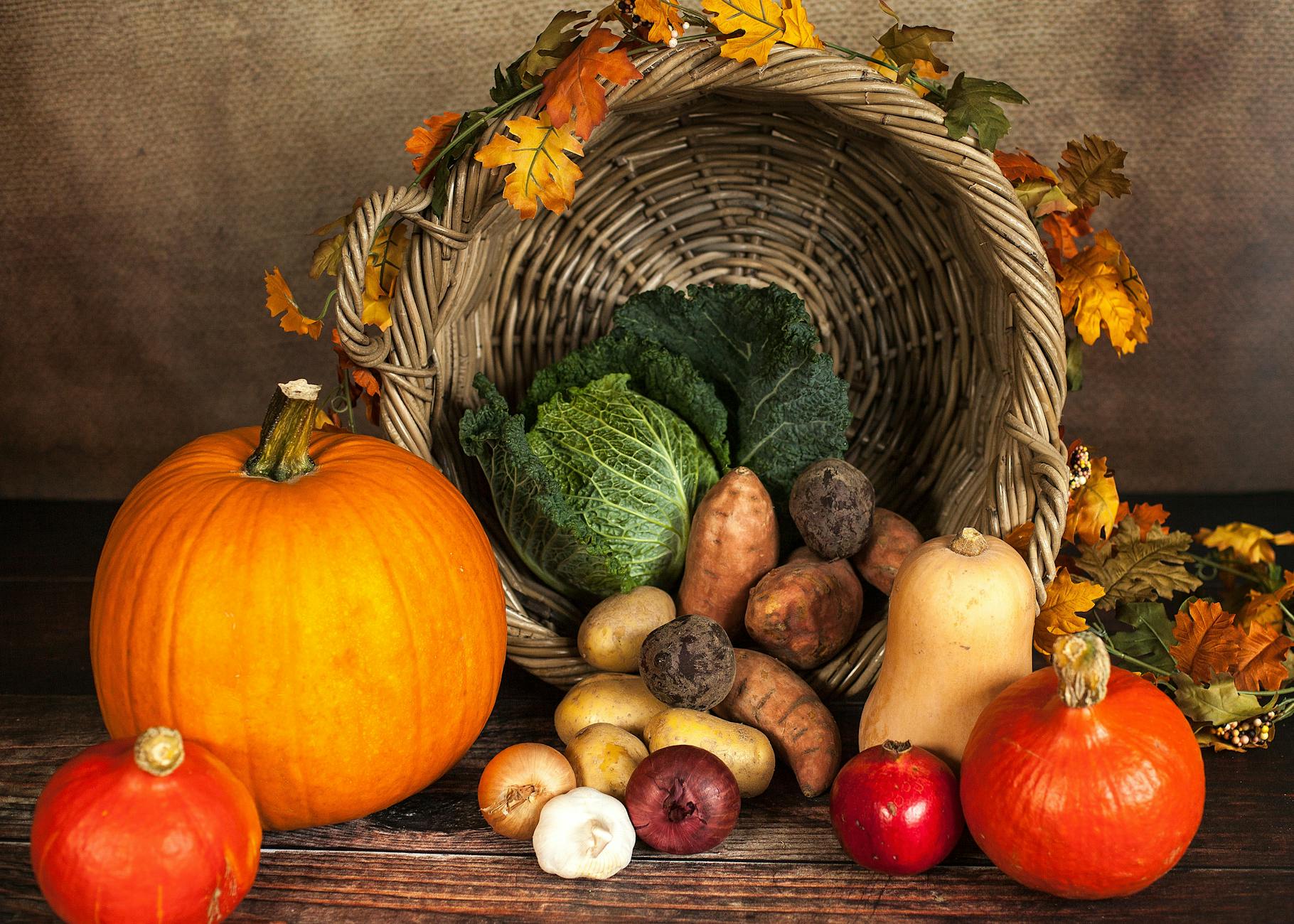
Thanksgiving menu planning has always been about variety and flawless execution for the Professional Operator. Consequently, the modern chef must look back at the original gatherings—less formal feasts and more culinary potluck—to find inspiration. Therefore, we recognize the table featured what was recently harvested, preserved or dried for the winter: essential fall vegetables, core staples and sharp preserved fruits and herbs.
Additionally, the holiday has become the culinary event of the year—a grand statement centered on one magnificent feast. Furthermore, professional execution requires a perfectly executed Confit of dark meat or a savory Ragout of autumn vegetables to anchor the meal.
STRATEGIC THANKSGIVING MENU PLANNING
For us in the restaurant business and other food service operations, the challenge isn’t just about cooking; it’s recognizing that on this day, customers and many times whole families are relying on us for a special meal. This is particularly true because for many, dining out or ordering from us is a welcome, convenient alternative to preparing a large Thanksgiving feast at home, especially if the gathering is for a group which is larger than they are used to hosting.
Consequently, our true focus is Thanksgiving menu planning at its highest level, making sure we deliver a flawless experience with plenty of variety. Moreover, this means balancing the traditional dishes they are expecting with a few fresh, innovative flavor profiles they wouldn’t normally consider. The real opportunity lies in seamlessly blending those cherished Thanksgiving traditions with new ideas. This isn’t just a holiday dinner; it’s a direct reflection of your kitchen’s creativity, organization and flawless execution.
My approach is simple: master the classics, then introduce depth and variety across the board. Meticulously plan to ensure every component—from the perfectly roasted turkey to the rich, homemade gravy and the indispensable Thanksgiving side dishes—is executed with precision.
My approach is simple: master the classics, then introduce depth and variety across the board. Meticulously plan to ensure every component—from the perfectly roasted turkey to the rich, homemade gravy and the indispensable Thanksgiving side dishes—is executed with precision. When you start your Thanksgiving menu planning, focus on the balance of prep time and profit.”

Thanksgiving menu planning for the Centerpiece Bird
The turkey isn’t just the centerpiece; it’s the main event. We all aim for that slow-roasted, perfectly butter-basted, evenly-browned winner that is a traditional thanksgiving menu planning favorite
To take a bird from “good” to “unforgettable” and guarantee a moist result, focus on internal flavor delivery. My preferred methods are twofold:
- Injection: Use a well-seasoned broth or another robust, flavorful injection marinade directly into the meat. This ensures moisture and flavor penetrate the deepest muscle fibers.
- Compound Butter: Alternatively, work a highly-flavored compound butter (think sage, thyme, and roasted garlic) directly under the skin. This melts and bastes the meat from the inside out, simultaneously enhancing flavor and crisping the skin.
Either method ensures the final product isn’t just beautifully presented, but deeply flavorful throughout.
Basting: Flavor, Color, and Crispness
You’ll need to baste the bird while it roasts. Start with a simple reduced stock or melted butter until the pan drippings build up enough to take over.
I always look for ways to push the flavor envelope on a turkey special. The right baste does more than just add moisture—it’s a critical tool for achieving superior skin color and crispness.
If you want to be a little non-traditional and introduce a glaze, here are a few suggestions. A quick word of caution on flavor: keep those glazes subtle. They’re meant to enhance, not dominate. Heavy-handed basting can lead to an unbalanced gravy if you’re planning to incorporate those drippings, and we both know that gravy is non-negotiable. Don’t go overboard; let the main flavor profile shine.
Suggested Glazing and Basting Pairings:
- Apple Cider and Cranberry Juice
- Orange Juice and Grand Mariner
- Herb Butters
- Brown Sugar and Amaretto
- Roasted Garlic and Walnut Butter
- Honey, Tequila, Lime and Ancho Powder
- Pomegranate Glaze
- Smoky Bacon and Sweet Onion Butter
- Kona Coffee and Kahlua

DRESSINGS AND STUFFINGS: Crafting Complexity for the Holiday Table
I look at dressing as a chance to show regional influence and ingredient pairings that stand on their own. Offering a selection—perhaps a traditional bread base, a rich savory option, and a fruit or nut blend—is wise.
The choice of bread is foundational, with options like rye, sourdough, cornbread, and pumpernickel building flavor from the start. Just as with basting, flavored butters, quality stocks, and rich additions like smoked meats or rendered fats are crucial for adding body and depth to your dressing.
Dressing Combinations:
- Smoked Oyster and Wild Mushroom
- Apples, Country Ham and Marble Rye
- Wild Rice, Toasted Almond and Dried Cherry
- Sun Dried Tomato, Fresh Basil, Kalamata Olive Bread
- Corn Bread, Roasted Poblano and Grilled Scallion
- Caramelized Onion, Bacon and Pumpernickel
- Roasted Chestnuts, Grilled Pears and Smoked Turkey Sausage
- Andouille, Cajun Rice and Crawfish
- Cured Olives, Charred Rustic Saffron Bread and Currants
- Crab, Dried Cranberries
- Morels, Caramelized Leeks and Brioche
- Chipotle Cornbread with Chorizo and Cilantro
- Fig and Prosciutto with Fennel and Sourdough
- Sourdough with Mirepoix, Sage and Brown Butter
Ingredient Boosts for Complexity:
Even a simple addition of just one or two ingredients can instantly elevate a basic dressing. When you’re looking for that high-impact improvement, consider these options, categorized by the kind of flavor they deliver:
Fats and Savory Depth
These elements melt into the dressing, adding richness and a crucial layer of umami.
- Rendered Duck Fat
- Prosciutto (crisped)
- Caramelized Shallots
- Smoked Almonds
Nuts and Dried Fruits (Texture & Sweet/Tart)
These ingredients provide contrast in texture and a welcome sweet or tart counterpoint.
- Nuts: Walnuts, Pistachios, Chestnuts, Pine Nuts, Toasted Pecans
- Dried Fruits: Raisins, Golden Raisins, Madeira-soaked Currants, Figs, Apricots, Cranberries
Aromatics and Vegetables
The foundation for savory flavor and moisture.
- Leeks, Fresh Fennel, Celery Root (finely diced and roasted)
- Granny Smith Apples, Sweet Peppers
- Fresh and Dried Mushrooms (e.g., Chanterelles, Morels)
Meats, Seafood, and Luxury
For injecting high-impact, concentrated flavor.
- Meats: Italian Sausage, Chorizo, Andouille, Cubed Pâté
- Seafood: Oysters, Shrimp, Smoked Scallops
- Luxury: Truffles
Your Thanksgiving menu planning should always account for larger group sizes and dietary requests.

EXECUTING GREAT GRAVY
Obviously, great gravy is just as important as the turkey itself. Everything on the plate—the turkey, the stuffing, the potatoes, and most of the side dishes—will undoubtedly come into contact with it. I’ve heard it called “gravy as a beverage,” which says it all.
Stock: The Foundation for Next-Level Gravy
In the professional kitchen, we have a critical advantage over the home cook: our prep schedule allows us to roast the birds ahead of time. This provides a golden opportunity that should never be missed: roasting the turkey bones to make stock.
This is an elementary but crucial step. After breaking the turkey down, roast the bones with a generous measure of mirepoix, and slow-simmer the batch for a robust, concentrated stock. This process extracts every last bit of flavor. That deeply flavorful, gelatin-rich stock is the foundation. It’s what separates good gravy from great gravy. Always build your flavor profile from the ground up.
Tried-and-True Gravy Method
While I seldom offer actual recipes, assuming that as pros we know the basics, here is my method for a spectacular gravy using the pan drippings:
- Sauté and Caramelize: Remove some of the fat from the roasting pan, but leave enough to make a roux. Put the roasting pan directly on the stove and cook out the water content, caramelizing the fat and the fond on the bottom of the pan.
- Make the Roux: Add flour to the caramelized fat to make a roux. Brown the roux while constantly scraping the bottom of the pan and releasing the fond. Stir while cooking the raw flavor out of the flour.
- Thicken and Finish: When browned, turn off the heat and allow the pan to cool slightly. Add hot turkey stock (your freshly roasted bone stock!) and bring to a boil to thicken. Check for thickness and adjust the seasoning.
You do not have to flavor the gravy, but some people like to add variety. Try incorporating wild mushrooms, giblets, Marsala, truffles, dry sherry, herb butters, cracked peppercorns, caramelized shallots or red onions for an extra layer of complexity.

TO SOUP OR NOT TO SOUP: A Strategic Addition
Should soup earn a place on the Thanksgiving menu? Absolutely—but its format is key. Most customers would not expect to see it but its another place to shine! Thanksgiving menu planning is a direct reflection of your kitchen’s creativity.
In my experience managing many Thanksgiving services, soup shines brightest on a buffet. A buffet allows guests to decide if they want a small, warm starter without the obligation of a full course. They can take it if they desire or easily pass if they want to save room for the main event.
- Avoid the Plated Course: I recommend against including soup as a mandatory course in a sit-down dinner. Asking guests to fill up before the magnificent feast arrives is counterproductive. If you offer soup for a plated meal, keep it as a flexible, à la carte option only.
Flavor Profiles for Fall Comfort
Soup is an ideal vehicle for showcasing the rich, warm flavors of the harvest. These fall components naturally translate into comforting soups:
- Harvest Classics: Feature ingredients like Fall Squash, Pumpkin, and Roasted Apple.
- Turkey-Based Winners: A creamy turkey soup with wild mushrooms is always a hit, as is a lighter, clear turkey vegetable broth.
- Unexpected Variety: Always offer an option that contrasts the main meal. A seafood selection (like a light bisque or chowder) or another unexpected flavor can provide a welcome break from the rich, savory holiday profile, satisfying guests looking for something slightly different.
The goal is to provide a warming, flavorful opening without creating menu pressure or plate fatigue.
Soup Selections for the Thanksgiving Menu
When planning your soup offerings, the goal is to provide a warming contrast to the heavy mains and a welcome flavor detour for adventurous guests.
Harvest Cream and Squash Soups
These options lean into the classic, comforting flavors of the season, but with an upscale twist:
- Butternut Squash and Roasted Apple with Cider Crème Fraîche: A perfect blend of sweet and tart, with a creamy, seasonal finish.
- Pumpkin with Fresh Ginger and Chives: The ginger provides a warm, unexpected kick that cuts through the pumpkin’s richness.
- Roasted Chestnut Soup with Smoked Bacon: A luxurious, deeply autumnal flavor, highlighted by salty, savory smoked bacon.
Seafood and Coastal Options
Offering seafood is a great way to give guests a lighter, contrasting choice to the turkey and gravy:
- Seafood Chowder with Boston Brown Bread Croutons: A classic, comforting chowder elevated by a unique, slightly sweet crouton.
- Oyster and Artichoke Bisque with Sweet Corn Fritters: A rich, delicate bisque with an elegant combination of flavors and texture.
- Salmon Chowder with Potatoes, Bacon and Corn: A hearty, flavorful variation on the classic chowder base.
- Little Neck Clam with Andouille: A spicy, smoky broth that is light yet robust, providing a dramatic regional flavor contrast.
Hearty and Regional Soups
These options incorporate savory meats and vegetables, acting almost as light, flavorful stews:
- Roasted Fall Vegetable with Lamb Meatballs and Sage Croutons: A deep, savory soup that introduces gamey flavor and complex herbs.
- Dried Lima Bean with Country Sausage: A comforting, traditional soup that uses cured meats for depth.
- Harvest Vegetable with Pasta, Beans and Pesto: A lighter, Italian-inspired option with fresh herbal notes from the pesto.

SIDES AND STARTERS: PROFITABLE THANKSGIVING MENU PLANNING ADDITIONS – where flavors come alive
Side dishes add the real complexity and flavor to the Thanksgiving meal. This is where the menu becomes truly personalized for your guests, often becoming a map of their family history. When planning for a large gathering with groups from different regions, your side selection must be diverse enough to honor all those family traditions—from the creamy Southern casserole to the simple, savory New England root vegetable.
Here is a curated list, starting with the universally recognized classics and moving into compelling regional specialties:
All-American Classics and Relishes
These items are nearly ubiquitous across the Thanksgiving landscape or function specifically as condiments, relishes, and salads—categories distinct from main side dishes.
- Mashed Potatoes with Roasted Onions
- Husk on Corn
- Cider Mashed Yams
- Baked Onions with Herb Crumb Topping
- Braised Celery with Mushrooms
- Red Cabbage with Bacon and Apples
- Caraway Sauerkraut
- Spiced Cranberries
- Pickled Beets with Red Onions
- Cranberry Raison Relish
- Green Tomato and Apple Chutney
- Red and Green Pepper Relish
- Cranberry Waldorf Salad
The South
The Southern table favors rich, savory, and often sweet, comforting casseroles and greens.
- Southern Candied Yams with Pecan Praline Topping
- Collard Greens simmered with Bacon and Smoked Turkey Drumsticks
- Sweet Corn Spoon Bread
- Cheesy Squash Casserole with Crumb Topping
- Pineapple Casserole with Cheddar Cheese (a sweet and savory dish)
New England
New England cuisine utilizes local ingredients like maple and root vegetables, offering a slightly savory and less heavily-spiced profile than the South.
- Creamed Pearl Onions
- Mashed Rutabaga or Turnips
- Butternut Squash Gratin with Maple and Sage
- Parker House Rolls
- Roasted Parsnips with Rosemary
- Maple Glazed Carrots with Pecans
- Stuffed Acorn Squash with Oranges, Walnuts, Nutmeg and Golden Raisins
The Midwest
The Midwest, or “America’s Breadbasket,” is the home of the hotdish (casserole), focusing on hearty, creamy, and familiar comfort foods often centered around starches and dairy.
- Wild Rice Casserole with Mushrooms and Pecans
- Scalloped Corn or Corn Pudding
- Tater Tot Hotdish
- Cheesy Potato Casserole
- Caramelized Corn Pudding
- Amish Limas
The Southwest
Southwestern flavors incorporate chiles, corn, and regional cheeses, providing a welcome layer of smoke and spice that contrasts beautifully with the richness of the turkey and gravy.
- Chipotle-Corn Mashed Potatoes
- Chile-Spiced Sweet Potato Tamales
- Cauliflower Gratin with Queso Cotija and Roasted Poblano Peppers
- Calabacitas (a sauté of squash, corn, and green chiles)
- Savory Corn Relish
The Pacific Northwest
Focus on fresh, foraged, and local ingredients like wild mushrooms, hazelnuts, and seasonal fruits, often prepared with a lighter touch.
- Wild Mushroom Ragout
- Roasted Root Vegetables with Toasted Hazelnuts
- Green Beans Almondine or with Lemon and Fine Herbs
- Sweet Meat Squash
- Maple Butter Mashed Sweet Potatoes
- Creamed Mushrooms
- Brussels Sprouts with Chestnuts
BEYOND THE CLASSIC: Elevating Mashed Potatoes
Of course, mashed potatoes are non-negotiable. While you must always offer a traditional option—if only to serve as the perfect vehicle for that great gravy—we know that’s just the starting point. Some operations even offer the classic in two forms: both smooth and “home-style” lumpy (which, to us, often just means someone skipped the all-important step of ricing the potatoes). But for the menu planner looking to truly elevate the side dish game, the opportunity for variety is massive. For a quick option to your traditional mashed potatoes, just add a compound or flavored butter to the preparation.
Just in case you haven’t found enough options in the rest of this post, here is a master list of flavors to help you choose your signature mashed potato selection.
Mashed Potato Flavor List
Rich and Concentrated Dairy Bases
- Brie and Brown Butter: Nutty, aromatic brown butter is paired with creamy, melt-in-your-mouth Brie for a decadent, subtly sweet finish.
- Fontina: The naturally nutty and earthy flavor of Fontina cheese creates a velvety smooth texture and rich, comforting flavor.
- Marble Cheddar: Sharp, high-quality cheddar delivers a savory, familiar tang and melts into a smooth, creamy base.
- Cream Cheese and Boursin: Cream cheese adds body, while Boursin (garlic and herb) injects complex aromatic flavor instantly.
- Golden Mashed, Truffle Butter: Yukon Golds provide a sweet base, finished with a high-quality truffle butter for an elegant, earthy aroma.
Savory, Meaty, and Umami
- Caramelized Onion: Slow-cooked onions add a deep, jam sweetness and incredible umami that melts into the potatoes.
- Smoked Gouda and Bacon: Provides a salty, smoky depth and a strong cheese flavor.
- Black Truffle: Often used as an oil or a purée, it provides a powerful, musky, earthy aroma that signals luxury.
- Wild Mushroom Ragout: A mix of wild mushrooms (like morels or chanterelles) sautéed in butter and folded in for a meaty, woodsy texture.
- Pancetta Parmigianino: Rendered Pancetta cubes add salt and fat, finished with Parmigiano-Reggiano for umami and texture.
- Bacon Blue Cheese: The sharp, pungent tang of blue cheese is balanced by the salty, fatty richness of crispy, rendered bacon.
- Caramelized Onion, Thyme: Slow-cooked onions add deep sweetness, which is perfectly balanced by the earthy, fresh flavor of thyme.
Bright, Acidic, and Pungent
- Buttermilk, Tarragon: Buttermilk lends a clean, acidic tang, which contrasts beautifully with the distinct, light anise-like flavor of tarragon.
- Greek Yogurt Caper: Yogurt provides tang and creaminess, while briny capers add pungent, acidic pops of flavor.
- Horseradish Crispy Shallot: Horseradish adds a sharp, clean heat, and crispy fried shallots deliver a delicate onion flavor and crunch.
- Charred Scallion: Scallions are lightly charred, giving them a smoky, bitter note that provides an excellent, complex counterpoint to the potatoes’ sweetness.
Bold Heat and Global Flavors
- Chipotle Queso Blanco: A Tex-Mex blend: Queso Blanco with puréed chipotle peppers in adobo for a signature smoky heat.
- Curry Powder: A Tarka (tempered spice oil) of mustard seeds, cumin, and curry leaves or a mix of mild curry powder for a warm, fragrant profile.
- Wasabi: A surprising addition that provides a quick, clean burst of heat and sharpness, often balanced with a touch of soy sauce.
- Smoked Paprika and Sriracha: Adds a deep red color, a smoky flavor, and a manageable touch of lasting heat.
Sweet, Fruit, and Premium Options
- Butter Poached Lobster: A premium offering: lobster meat gently poached in butter and folded in for sweet, delicate flavor and luxurious texture.
- Roasted Apple: Oven-roasted apples are folded in, offering an autumnal sweetness and tartness that pairs well with savory herbs.
- Oven Roasted Tomato: Slow-roasting concentrates the tomatoes’ sweetness and acidity, adding a burst of tartness and a rustic texture.
- Sun Dried Tomato: The deep, rich umami and intense sweetness of oil-packed sun-dried tomatoes instantly create a bold, Mediterranean dish.

THE NECESSARY TARTNESS: Elevating Cranberry Across the Menu
Cranberry is the crucial acidic component of the Thanksgiving plate. It provides the necessary sharp, sweet-tart contrast needed to cut through the richness of the turkey, gravy, and heavy sides. Relying on canned, highly-sweetened jellied sauce is a huge missed opportunity to inject deep, complex flavor and texture across the entire menu.
A high-quality cranberry preparation is a clear indicator that every single component of the meal has been thoughtfully prepared.
Three Ways to Present Cranberry Flavor
Instead of just one bowl of sauce, consider how the cranberry’s unique profile can be introduced in different textures and applications for maximum flavor integration:
- The Relish or Sauce (The Condiment): The required side for the turkey. This is the wet, cooked, or semi-raw preparation that delivers the classic flavor burst.
- The Spread (The Carrier): A whipped or compound preparation used on bread service, appetizers, or for leftover sandwiches. This elevates the simplest elements.
- The Integrated Side (The Texture): Cranberry used as a dry, textural, or raw element within a larger side dish, providing crunch and acidity.
Cranberry Sauce: Innovative Variations
(The Condiment)
The focus here is to move beyond the traditional water and sugar base by using complementary juices, spirits, or savory elements.
- Classic Spiced with Orange Zest: The foundational improvement. Uses fresh orange juice and zest with cinnamon, allspice, and clove.
- Maple-Bourbon: Substitutes some sugar for maple syrup, adding depth, and finishes with a splash of quality bourbon for warmth.
- Cranberry-Chile Relish: A no-cook relish using raw, ground cranberries, cilantro, lime, and finely minced jalapeño or serrano for a clean, vibrant heat.
- Port Wine and Rosemary: Uses port wine as the primary cooking liquid, infusing the sauce with a rich, boozy depth, finished with a subtle aromatic note of fresh rosemary.
- Ginger-Pear Chutney: Incorporates crystallized and fresh ginger for a spicy kick, along with diced pears for sweetness and texture.
- Smoky Chipotle-Lime: Adds smoky heat from puréed chipotle peppers in adobo, balanced by fresh lime juice for a bold, Southwestern-inspired condiment.
- Fig and Red Wine: Cooks the cranberries in red wine (like a Merlot) with chopped dried figs, creating a dark, complex, and savory accompaniment.
Secondary Cranberry Presentations
(The Spread & The Integrated Side)
- Whipped Cranberry Butter: Cranberry sauce is blended into high-quality butter with a touch of brown sugar. Perfect for dinner rolls or cornbread service.
- Cranberry-Horseradish Cream: A savory cream made by folding fresh cranberry puree into horseradish cream or sour cream. This makes a phenomenal, pungent alternative to a standard sauce.
- Goat Cheese and Cranberry Crostini Use a chunky, spiced cranberry chutney layered over creamy goat cheese or whipped ricotta. An easy, elegant starter that introduces the flavor early.
- Cranberry-Balsamic Reduction: A thick, syrupy reduction of cranberry juice and balsamic vinegar. This can be drizzled over the plated turkey or spread thinly on cured meat appetizers.
- Cranberry-Pecan-Feta Salad: Dried, sweetened cranberries (craisins) or raw cranberries are tossed into a light, textural salad (e.g., with mixed greens, toasted pecans, and feta cheese) dressed with a citrus vinaigrette.
- Cranberry-Apple Stuffing Integration: Using fresh or dried cranberries directly in one of your dressing options adds the necessary tartness and a pleasing chewiness throughout the dish.
- Brussels Sprouts with Dried Cranberry and Hazelnuts: Roasting Brussels sprouts with dried cranberries and toasted hazelnuts provides a beautiful balance of bitter, sweet-tart, and nutty flavors, transforming a simple vegetable side.

THE GRAND FINALE: Thanksgiving Dessert Strategy
After the monumental Thanksgiving feast—the turkey, the gravy, the copious side dishes—we have to remember that dessert is the final impression. It’s the grand finale, and your strategy here needs to focus on nostalgia and crucial palate contrast. Don’t overlook the importance of dessert in your Thanksgiving menu planning strategy.”
The Strategic Breather
Operationally, a key to a successful finale is allowing guests a strategic pause before dessert arrives. This gives them a necessary breather after a heavy meal. This is the perfect moment to offer an exceptional selection of high-quality, fresh-brewed coffee, espresso, and digestifs. Serving great coffee signals a shift in the dining experience and prepares the palate for the sweet course to follow.
- Master the Classics, flawlessly: The dessert course is anchored by tradition, making the quality of the pie non-negotiable. You must execute the iconic trio—Pumpkin, Pecan, and Apple—with tender crusts and fillings balanced enough to stand on their own. These are the expected comfort elements; they must be perfect.
- The Power of Contrast: The biggest operational mistake is offering more of the same richness. After a heavy meal, guests welcome desserts that introduce sharp acidity or fresh fruit to cleanse the palate. This is the opportunity for innovation.
- Think about contrasting flavors like a Cranberry-Orange Cheesecake or a Tart Lemon Curd.
- Offering individual plated options, like a Spiced Pear Tartlet or a Chocolate Pot de Crème, is a great way to control portion size and minimize waste on a full table.
- The Finishing Touches: Just like great gravy, the accompaniments make the difference. Don’t send out a plain slice of pie. Ensure you have high-quality finishing elements like house-made vanilla bean ice cream, a rich bourbon caramel sauce, or freshly whipped cream to elevate the simple classics into a proper culinary conclusion.
A thoughtfully curated dessert selection ensures the meal concludes on a perfect, memorable note, confirming the overall quality of your kitchen’s execution.
THE TAKEOUT EXPERIENCE: Beyond the Food
For many guests, the menu isn’t the only component they rely on you for—the packaging itself is part of the presentation. If you are focusing on a robust takeout or catering operation, the convenience extends past the kitchen and into the customer’s home.
Consider elevating your packaging strategy:
- Elevated Containers: Move beyond standard industrial silver or foam. Offer packaging that feels special—think gold or autumn-colored foil containers, or high-quality, sectioned containers that are attractive enough for guests to potentially eat from directly.
- Warming Options: Provide flexibility by having options for both reheating and serving. This could be two packaging tracks:
- Microwave-Safe options for quick, individual warming.
- Oven-Safe packaging (like sturdy foil pans) that allows larger portions or full meals to be kept warm or reheated in a home oven.
- Make this a strategic question during the ordering process: “Will you be eating this meal immediately or heating it later in an oven/microwave?”
- The Finishing Touches: Don’t forget the accompaniments. Thoughtful packaging of essentials like cranberry sauce, rich salad dressings, rolls, and butter ensures nothing is left out. And don’t forget Dessert! And one final packaging piece, offer nicer, occasion-appropriate cutlery to signal that this is a special holiday meal, not a standard weeknight takeout order.
Thoughtful packaging transforms a meal into a catered experience, demonstrating that you value the customer’s holiday gathering as much as they do.
And just a final note, everything is different on the holidays especially for the staff. Not just the menu but the whole day operates differently than a normal day. Staff training is just as important as the actual Thanksgiving menu planning itself.”
In conclusion, successful Thanksgiving menu planning relies on your ability to honor tradition while showcasing professional creativity. Therefore, your kitchen’s organization and attention to detail will ensure this grand statement is memorable for every guest.
What is the one side dish your guests demand every single year? Additionally, I would love to hear how your kitchen handles the rush of holiday takeout. Leave a comment below!
If these Thanksgiving menu planning strategies help your kitchen's holiday service, subscribe for more professional menu ideas. To see how these festive flavor profiles pair with other high-margin holiday offerings, take a look at my latest menu suggestions in the POTATOES AND STARCHES, OYSTERS and SOUPS FOR THE FALL posts!
I post new menu ideas all the time! Subscribe to get alerts on all the new suggestions and check our previous posts for APPETIZERS, PASTA and DESSERTS and much more!
© Copyright 2025 Moffa's Menus - All Right Reserved
Leave a Reply