

In the world of Professional Menu Planning, incorporating daily, weekly, or seasonal specials into your menu is a game-changer for any food service establishment. Not only do specials create excitement, but they are also an invaluable tool for testing new dishes without the full commitment of a permanent menu addition. When a special consistently sells out, you know you have found a winner, saving you the cost and effort of adding an unpopular item to your core offerings.
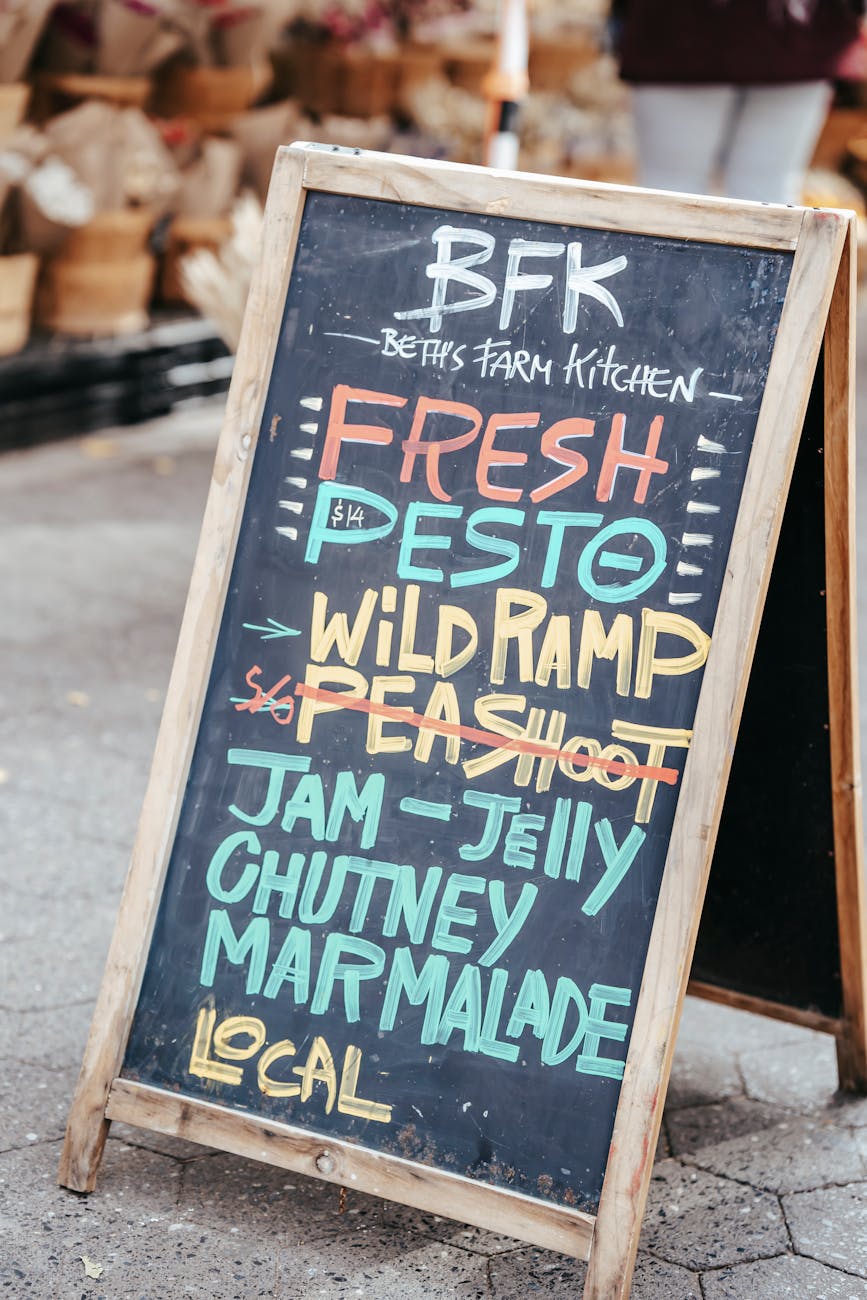
Specials also serve as an excellent marketing tool, bringing particular selections front and center. Whether showcased on a special board, as a menu insert, or through a server’s engaging verbal presentation, specials pique customer interest and highlight something new and exciting. You’ll know you’re hitting the mark when your regulars eagerly ask about the day’s specials right away, and it’s incredibly rewarding when they request a dish you offered weeks prior. Always gather feedback from your wait staff; both positive and negative comments are gold for refining your offerings.
A Crucial Clarification: Specials Are Not a “Dumping Ground”
Let’s be absolutely clear: specials should never be used to offload ingredients on the verge of spoiling. True professionals maintain tight inventory control, ensuring items never reach this point. This comes down to superior menu planning, coupled with rigorous inventory, purchasing, and receiving controls. Plain and simple, that’s just good business.
Additional Benefits of Incorporating Specials
Here are more compelling reasons to embrace specials:
- Flexibility with Fresh, Seasonal Ingredients: Specials allow you to capitalize on ingredients that are only available for a short time. Seasonal product availability can be incredibly fluid—here today, gone tomorrow. The window might be a couple of weeks, or it could be a one-time opportunity.
Take fresh soft-shell crabs as an example. These crabs have just shed their hard shells, making their new, thin shell edible for a brief period before it hardens. Crabs shed around the same time each month, but as they age, shedding becomes less frequent, stopping entirely in colder months. You wouldn’t want a dish on your printed menu that’s frequently unavailable.
Another challenge with soft-shells is unpredictable size and quantity from suppliers. You might order “Jumbos” and receive “Hotels,” necessitating changes in portion count and menu price. Specials free you from being tied to a specific portion, preparation, or price when the supply is inconsistent.
Finally, soft-shells are best used the day they’re received and dressed fresh for service, as they don’t hold well. Specials allow you to feature them when fresh and remove them from the board when they’re gone, ensuring optimal quality.
- Balance Kitchen Workload: A kitchen’s efficiency is often limited by its slowest station. Specials can help distribute the workload. If the fry station is consistently overwhelmed due to limited basket capacity, or the hot appetizer station is scrambling while the cold pantry person stands idle, you can use specials to rebalance.
For instance, divert some action from a busy hot appetizer station with a cold preparation like “Spicy Shrimp Remoulade with Green Garlic and Sweet Chili Aioli” that comes from the pantry.
Similarly, if you sell a lot of beef tenderloin that all comes off the broiler, consider a special like “Achiote Rubbed Beef Medallions with Charred Serrano Chilies and Red Onion Demi-glace.” This one-pan preparation can be handled by the sauté station, evening out the workflow.
- Reduce Ticket Times: If your kitchen’s ticket times (the duration from order receipt to readiness) are too long, a “cut and serve special” can significantly speed things up.
Limited space and equipment—like too few burners or broiler grate inches—are major culprits for slow ticket times, especially on busy weekends. For a steakhouse, a Saturday special of “Smoked Prime Rib” is ideal. Once the rest of the table’s order is ready and, in the window, the prime rib simply needs to be sliced to temperature and served with au jus. An added bonus: this entrée can be served from any station with a cutting board and heat lamp.
Just like prime rib, it’s much faster to slice a portion of “Three Cheese Lasagna” or plate “Osso Bucco” than to prepare a start-to-finish “Risotto” or “Veal Cutlet Milanese.” And crucially, all these specials can be “86’d” (taken off the board) once they’re sold out.
- Utilize Leftover Banquet Inventory: Did you purchase extra hand-cut rib-eye steaks for a banquet that aren’t on your regular menu? If you ended up with more than needed, those remaining steaks can become an excellent special for your à la carte menu until sold. This avoids waste and turns surplus into profit.
- Maximize Small Amounts of Existing Product: Don’t let small quantities of a delicious item go to waste. If you have 5-6 entrée portions of “Wild Mushroom Braised Beef Short Ribs” left from a previous night’s entrée special, don’t try to run it again as an entrée. Instead, transform it into a breakfast special like “Short Rib, Yukon Gold and Caramelized Onion Hash” with two fried or poached eggs. This could yield 12-15 portions, potentially lasting an entire breakfast shift, and maintain your desired price point by increasing the number of portions available.
- Showcase Unique Kitchen Skills: If your chef excels at Thai cuisine, but it’s not a typical menu offering, use specials to highlight their talent. Offering a few Thai selections occasionally adds variety for customers and keeps your chef creatively engaged, preventing “same old, same old” boredom.
Similarly, if your dessert sales don’t warrant a full-time pastry chef but you want to gauge customer interest in hiring one, create a few premium dessert specials for a busy weekend. Arm your wait staff with a separate dessert handout and a fantastic verbal presentation. To push it further, compose a dessert tasting menu for two with a signature coffee drink, effectively doubling your sale on both food and beverage.
- Add Variety to Core Menu Ingredients: You likely already feature staples like a steak, fresh fish, seafood combination, and veal sauté. By offering three different accompanying sauces or garnishes for each entrée, you instantly create twelve distinct entrée options. You can change these garnish options as often as you like, appealing to customers’ desire for customization. If you’re feeling bold, let them mix and match elements across the entire group!
Consider these examples of varied garnishes:
- Seasoned Prime New York Strip: Caramelized Onion and Gorgonzola Crust, Wild Mushroom Hunter Sauce, or Roasted Shallot and Horseradish Butter.
- Sautéed Veal Chop: Crisp Prosciutto with Aged Port Wine Reduction, Smoked Tomato Bordelaise, or Fresh Mint and Capers.
- Grilled Fresh Alaskan Halibut: Melted Leeks, Toasted Pine Nuts, Kalamata Olive Butter; Pan Roasted Artichokes with Orange Rosemary Sauce; or Savory Cabbage, Bacon, Heirloom Beans, Fresh Basil.
- Shrimp, Scallop, and Jumbo Lump Crabmeat: Caramelized Shallots, Lemon and Brandy Cream; Sweet Pepper Butter Sauce; or Roasted Onion and Sherry Vinaigrette over Rice Noodles.
Smart Purchasing for Specials
When buying ingredients for limited-time specials, it’s often more cost-effective in the long run to purchase a small amount at a slightly higher price from a local store and use it up, rather than buying an entire case from a purveyor at a cheaper price that you might rarely use again. This approach also allows for greater menu variety.
For example, for a sports bar’s taco buffet during a big game, instead of ordering a whole case of one type of taco shell from your purveyor (which you might not use again), visit a local store. Pick up a few packages of regular, jumbo, and mini hard taco shells, along with some soft flour tortillas and tortilla chips. This immediately offers a fantastic variety using the same core ingredients like salsa, beef, cheeses, and guacamole. This creates a much better presentation, and achieving this variety through your main supplier would mean ordering 5-6 cases of inventory you don’t need.
Also, always consider how to use any leftovers from a buffet. If you have mini taco shells and small amounts of prepped accompaniments remaining the next day, turn them into a lunch special! A trio of mini tacos (shrimp, beef, chicken) served with a guacamole salad or black bean soup is a great way to utilize leftovers, maintain your desired price point, and offer a creative new dish. Unused soft flour tortillas could even become appetizer-sized Tex-Mex pizzas.
Local and specialty stores are also fantastic sources of inspiration without the risk of overstocking. Discovering bison andouille sausage and fresh hatch chilies could completely transform a typical jambalaya. A plant-based chorizo could do the same for a vegan version. And imagine the “Rosemary Smoked Bacon” you find paired with a savory “Smoked Mushroom, Cranberry Jam, and Honey Sour Cream French Toast” special!
© Copyright 2025 Moffa’s Menus
Leave a Reply